
Why Replace Your Heat-Sealing Hardware When You Can Improve It?
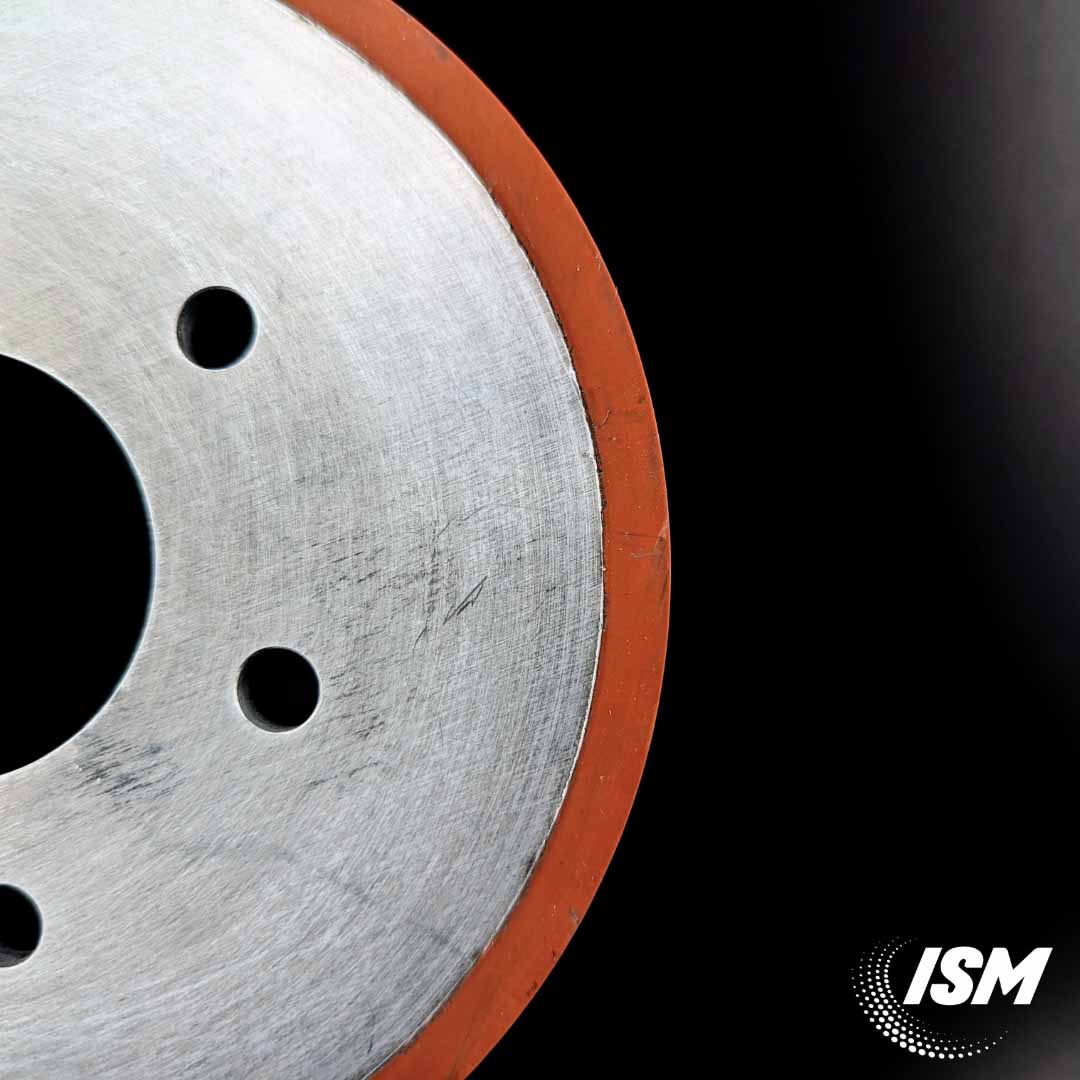
Whether due to specific damage or overall wear and tear, your heat seal tooling will eventually need to be replaced. But what if instead of measuring its lifespan in months to years, you measured it in years to decades? And you don’t have to reinvent the wheel (or in this case, the heat seal bar) to do it. Silicone heat seal tooling utilizes your existing equipment (or new versions of it in cases where the metal already needs replacing) and protects it while simultaneously giving you better, more reliable seals. In many cases, it’s a straight upgrade from traditional metal heat seal tooling.
The Problem with Traditional Metal Tooling
When we talk about metal heat seal tooling, we’re referring to those components in your machine that are directly involved in the sealing process, including heat seal heads, heat seal bars (or jaws), heat seal anvils, and heat seal rollers. These tools do the heating and pressing required for a reliable seal.
When Traditional Metal Tooling Needs Replacing
Even under the most ideal conditions, these tools don’t last forever. Of course, how long they are likely to last depends heavily on the temperatures, pressures, and materials involved. Then there are situations where the tooling needs to be prematurely retired due to damage caused by specific issues.
Signs that your metal heat seal tooling might need replacing include:
- Surface scratches and gouges – These are typically caused by parts rubbing together either due to machine misalignment or debris, as in the case of built-up edges due to materials sticking to the part. However it happens, the end concern is the same. Any materials coming in contact with it are at risk of damage. In the case of a heat seal head that’s scratched, the integrity of the seal itself could be affected.
- Oxidation and other forms of corrosion – Oxidation is a chemical reaction where a substance loses electrons and develops a positive charge. When it happens to metal, it’s rust. If your metal heat seal tooling is rusting, it’s likely due to high heat, which makes the metal more reactive to the oxygen around it. This and other types of corrosion, like pitting and galvanic corrosion, can also result from moisture.
- Mechanical wear – No matter how well you maintain your equipment, your heat seal tooling will eventually wear down. This could result in uneven surfaces and therefore less effective seals. That said, you can mitigate this by performing regular maintenance to ensure your equipment is properly aligned, checking that temperatures and pressures aren’t too high, and keeping metal heat seal tooling properly cleaned and aligned.
We can’t overstate the importance of regular maintenance when trying to prolong the longevity of your equipment, even in preventing issues like scratching and corrosion. This does, however, take time. Silicone-coated heat seal tooling demands less maintenance in the way of cleaning due to the silicone’s natural non-stickiness. It’s also less costly to recoat your metal tooling than replace it.
Challenges with Replacing Metal Tooling
Replacing your tooling presents its own challenges, not the least of which is the expense of acquiring all new metal tooling. For this reason, you might be tempted to delay replacing the tooling until absolutely necessary. However, that runs the risk of causing significant downtime if the tooling is so damaged as to be ineffective. The other side to that is proactively replacing tooling at the first signs of moderate wear, but then you’re left asking yourself if you could be saving money by waiting a little longer.
Silicone Heat Seal Tooling: Temporary Fix and Long-Term Solution
So, let’s recap the primary challenges at hand with your metal heat seal tooling. It’s susceptible to scratching, wear, and corrosion either in response to debris, misalignment, and overheating, or as a matter of course over numerous cycles. These issues, even when present in small amounts, can lead to poor seals, compromising the integrity of your entire operation. However, replacing the tooling can be costly and cause potential downtime.
Silicone can help on all fronts. It can act as a temporary fix when you need to keep operations running while you determine a long-term solution. It can also prevent metal heat seal tooling from getting damaged to begin with, prolonging its life.
Reactive Solution to Common Issues
Your metal heat seal head is scratched in multiple places due to a combination of abrasion and debris getting between it and the materials being sealed. You’ve noticed that it’s no longer applying pressure evenly, causing your seals to sometimes fail. You have a few options (some better than others).
- Replace it now with an identical piece. Tough out the challenges of occasional sub-par sealing.
- Replace it now and remove the piece. A little downtime never hurt anyone.
- Coat the current piece with silicone to prevent the damage from affecting your seals. No downtime. No failed seals. Then, when you get your new tooling, get it with pre-bonded silicone to protect it ahead of time (and even have it redesigned with silicone in mind from the start).
You can probably guess which of these options we’re going to suggest, and it makes sense. Silicone coating provides a temporary solution by filling in the cracks that otherwise prevent effective sealing. Similarly, silicone can mask oxidation and other forms of corrosion that would negatively impact your seals.
That said, silicone can’t permanently fix them. Cracks and oxidation don’t stop expanding just because you can’t see them anymore. To truly protect and extend the life of the tooling, you need to get it pre-bonded with silicone before it gets damaged.
Next-Level Preventative Maintenance
You choose option three. You get a coating of silicone on your existing hardware. You want to be quick with it to avoid downtime, so you opt to use a silicone adhesive. It’s not as strong as silicone that’s chemically bonded to metal through compression molding, but it’ll do for now since the fix is intended to be temporary.
Then, when you invest in new heat seal heads, you turn to a provider that can give you custom tooling with chemically bonded silicone. This silicone does not risk detaching from the metal tooling, making it a longer-term solution.
Of course, your silicone coating is subject to the same pressures, heat, and overall wear from repeated cycles as traditional metal tooling would be. However, there are some important considerations that suggest it’s still the superior option.
Non-stick – Silicone’s natural non-stickiness means you’re less likely to have debris adhere to it and affect the integrity of your seals. This also makes cleaning your tooling faster and easier. You can, in fact, make it even less sticky with your Teflon-bonded silicone, a lasting alternative to Teflon tape.
- Compliant – Silicone contours to the shapes of things it’s pressed against, particularly under high pressure, preventing scratches or gouges that result from abrasion and high pressures. It also means that your seals will be more consistent and reliable full stop across a wide range of sealing materials.
- Heat-resistant – Silicone’s natural heat-resistance protects against overheating, which can negatively impact both your seals and your tooling. Silicone that’s specially designed to be thermally conductive helps facilitate the heat sealing process while still protecting against over-heating and promoting an even distribution of heat.
- Recoat-able – It’s unavoidable that silicone will eventually wear. However, how you replace it and how your seals are affected in the meantime is different than with traditional metal tooling. As it wears, you can recoat your metal tooling without needing to replace the metal component. This is much faster and less expensive than getting an entirely new part.
Silicone won’t protect your metal tooling forever. Pressure, heat, and machine misalignment can all still affect it in the long run. However, silicone will significantly prolong its life while making short term maintenance easier, increasing your sealing window to include fragile materials, and providing overall superior seals.
The Bottom Line: Silicone is the Superior Option
You will eventually need to replace your metal heat seal tooling again, and probably sooner than you think. Every time you invest in new tooling, silicone tooling knocks at your door. Why spend money on yet another expensive set of metal tooling when you could get that same tooling with bonded thermally conductive silicone, extending the life of your most expensive components and bolstering your bottom line?
And if you feel like you’ve been burned by silicone before, having it fall off your tooling or fail to transfer heat adequately, remember that no two silicone tooling solutions are the same. Consider a heat sealing partner that offers heat conductive silicone that is chemically bonded to your metal tooling through compression molding, has a range of silicone compounds to choose from, and will be there to recoat your tooling as needed.